
"number 3"
9000 article(s) found

The influence of the state of Espresso oil on flower drawing "Coffee flower drawing art" Espresso
1. Comparing number 1 and number 2, we can see that the color contrast of the pattern of number 2 is higher than that of number 1, and the stripes of the pattern of number 2 are much clearer than that of number 1; 2. Comparing number 2 and number 3, we can see that the color contrast of the pattern of number 3 is similar to that of number 2, and the stripes of the pattern of number 3 are slightly clearer than that of number 2. We have come to the conclusion of coffee experiment: through the inspection of actual operation
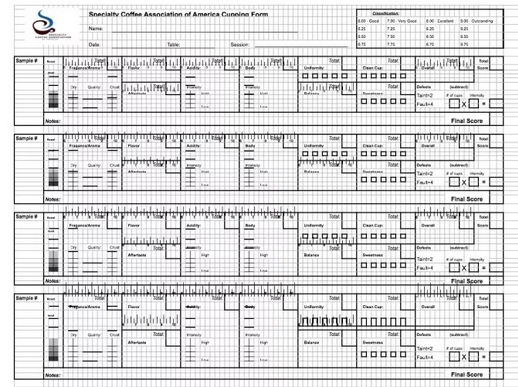
How to pass the Q-grader exam (3) there are 8 major items, a total of 20 subjects
SCA Cup Test form if you sign up for the Q grader test, you should already know how to use the SCA cup test form correctly. In order to practice this part of the test, it is recommended that you test a large number of cups of coffee from different places and different processing methods. You should understand the flavor of coffee in different regions and how these flavors are expressed in the cup test. Pay attention to find coffee you don't know.
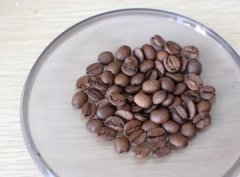
Standard for grading coffee beans
There are two ways to grade coffee beans, one is to filter the number of points, one is to elevation points. It is divided by the filter number and the size is determined by the mesh size. Round beans are generally smaller than flat beans, round beans between 8-13, flat beans between 12-29. 8,9,10... 12,13... 18... 29 = Small, Medium, Normal... It's a big... big, extra big. The bigger the number, the bigger the bean. Like SC
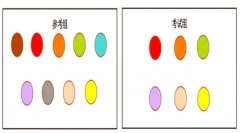
Q-Grader examination experience and examination form Coffee examination Notes
There are 8 major items and 20 subjects in the Q-Grader examination. The first major item (4 subjects) was tested together in 2 subjects, with a time limit of 1 hour; the second major item (1 subject) was graded for 1 hour; the third major item (2 subjects) was graded for cooked beans; the fourth major item (1 subject) was limited to 1 hour for organic acid; the fifth item (3 subjects) was limited for 1 hour; and the sixth major item (3 subjects) was limited for 1 hour.

Coffee technology sampling of bagged coffee beans
1 range this section specifies the sampling method for 10 or more bags of coffee beans. This section applies to: the basic sample for supply; to test whether the coffee beans to be supplied comply with the producer's sales regulations; to determine one or more of the characteristics of coffee beans in order to provide a basis for technical, commercial, management and arbitration; quality control or quality inspection; as in case of dispute
Graded high-quality coffee beans
There are two ways to classify raw coffee beans, one is the filter number, and the other is the elevation. It is divided by the number of the filter screen, and the size is in the unit of the screen (size). Round beans are generally smaller than flat beans, between 8-13 and 12-29. 8, 9, 10. 12, 13. 18. 29 = small, medium, ordinary. Quasi-big. Big, extra large. The bigger the size, the bigger the beans. Like SC.
Grading standard of raw coffee beans
There are two ways to classify brown raw beans, one is to filter the number, and the other is to divide it by elevation. It is divided by the number of the filter screen, and the size is in the unit of the screen (size). Round beans are generally smaller than flat beans, between 8-13 and 12-29. 8, 9, 10. 12, 13. 18. 29 = small, medium, ordinary. Quasi-big. Big, extra large. The bigger the size, the bigger the beans. Like SC-1.
Classification standard of coffee raw beans for fine coffee
There are two ways to classify raw coffee beans, one is the filter number, and the other is the elevation. It is divided by the number of the filter screen, and the size is in the unit of the screen (size). Round beans are generally smaller than flat beans, between 8-13 and 12-29. 8, 9, 10. 12, 13. 18. 29 = small, medium, ordinary. Quasi-big. Big, extra large. The bigger the size, the bigger the beans. Like SC.

Quality coffee beans, knowledge, classification of raw coffee beans
There are two ways to classify raw coffee beans, one is the filter number, and the other is the elevation. It is divided by the number of the filter screen, and the size is in the unit of the screen (size). Round beans are generally smaller than flat beans, between 8-13 and 12-29. 8, 9, 10. 12, 13. 18. 29 = small, medium, ordinary. Quasi-big. Big, extra large. The bigger the size, the bigger the beans. Like SC.
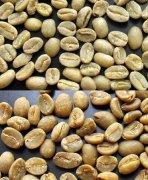
Grading of raw coffee beans there are two ways to grade raw coffee beans.
There are two ways to classify raw coffee beans, one is the filter number, and the other is the elevation. It is divided by the filter number, and the size is size in terms of the screen size. Round beans are generally smaller than flat beans, between 8-13 and 12-29. 8, 9, 10. 12, 13. 18. 29 = small, medium, ordinary. Quasi-big. Big, extra large. The bigger the size, the bigger the beans. Like SC-.

Basic knowledge of standard coffee beans sampled from bagged coffee beans
1 range this section specifies the sampling method for 10 or more bags of coffee beans. This section applies to: basic samples for supply; to test whether the coffee beans to be supplied comply with the producer's sales regulations; to determine one or more of the characteristics of coffee beans in order to provide a basis for technical, commercial, management and arbitration; quality control or quality inspection; as a dispute
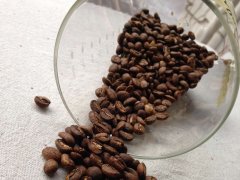
There are two ways to grade green coffee beans.
There are two ways to grade coffee beans, one is to filter the number of points, one is to elevation points. The size of the round beans is generally smaller than the flat beans, the round beans are between 8-13, and the flat beans are between 12-29. 8,9,10... 12,13... 18... 29= ,,......, Extra large. The bigger the number, the bigger the bean. SC-19, for example, is bean number 19.

Big data | how many cafes are there in China? What is their living condition?
It's all too fast. Today, "Ka Men" and "Meituan Dianping Research Institute" launched the first issue of beverage industry data report. The number of cafes in China exceeded 100000 in 2016, according to the report. This is the worst time for coffee, this is the best time for coffee. In the era of experiential consumption, today, when the customer group is getting younger and iterative, there has never been a new category.

The bigger the number, the thicker it is. -hario hand grinder thickness
The grinder is the number of the bigger the coarser? -hario hand grinder thickness so try a few times you can feel their own suitable scale, remember that fine is over-extraction, coarse is flat, everyone scale will not be the same Different grinders have different adjustment dials, so you should check the coffee grinder model and carefully read the instructions to determine the direction and strength of the dial
What does G1MagneG2 stand for in coffee? how to distinguish the grades of Ethiopian coffee beans?
In order to distinguish between good quality coffee beans and poor quality coffee beans, manufacturers have to grade coffee. Coffee is usually graded according to the defect rate and the size of beans.
The ranking system of raw beans in coffee producing countries introduces what is the best grade of coffee beans.
Ethiopia (rated in proportion to defective beans) before the emergence of the Ethiopian Commodity Exchange (Ethiopia Commodity Exchange referred to as ECX), Ethiopia's coffee export grade was established by the CLU Department (Cupping and Liquoring Unit) under the Ministry of Agriculture, mainly according to the number of defective beans in 300g. The classification criteria are as follows.

Korean adults drink an average of 341 cups of coffee a year.
According to a survey by South Korea's Culture Daily, South Korean adults over the age of 20 drank 314 cups of coffee last year, an increase of 14.4 percent over the previous year, and coffee imports were close to 600 million US dollars at the same time. In the past 10 years, South Korea's coffee imports have increased by 15.3%, and the number of imports has increased by 3.6 times. According to Meng Zhe, member of the Statistical Research Committee of the Korea Customs Trade Development Institute on the 13th

Standard for grading of fine coffee beans, common sense coffee and raw beans
It is divided by the number of the filter screen, and the size is in the unit of the screen (size). Round beans are generally smaller than flat beans, between 8-13 and 12-29. 8, 9, 10. 12, 13. 18. 29 = small, medium, ordinary. Quasi-big. Big, extra large. The bigger the size, the bigger the beans. SC-19, for example, is the No. 19 bean. According to the elevation of the cultivated land, it can be divided into seven grades.
Classification standard of raw coffee beans
There are two ways to classify raw coffee beans, one is the filter number, and the other is the elevation.

Coffee: When will our customer base surge?
Professional barista communication, please pay attention to coffee workshop (Weixin Official Accounts cafe_style ) The following is my summary guess. And I think it's not just coffee. In 2000, the number of college entrance examinations was 3.75 million, and since then the number has increased by 500,000 or 600,000 every year. In 2008, the year of my college entrance examination, the number of people taking the national college entrance examination was the highest ever, reaching 1050.